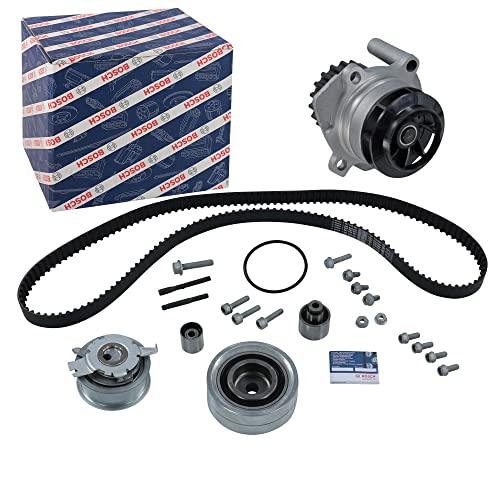
Choosing Timing Belts That Stand Out in 2026 for Your Needs
In the world of automotive and industrial machinery, the importance of reliable components cannot be overstated. Timing belts play a crucial role in ensuring the smooth operation of engines and machinery by synchronising the rotation of the crankshaft and camshaft. As we approach 2026, the landscape of timing belts continues to evolve with advancements in materials and technology. Choosing the right timing belt is essential for optimal performance and longevity. This article delves into the key considerations to keep in mind when selecting timing belts that stand out in 2026.
Understanding Timing Belt Specifications
When selecting a timing belt, understanding the specifications is paramount. Timing belts are characterised by several key parameters including width, length, tooth profile, and material composition. These specifications determine the belt's compatibility with specific applications. In 2026, manufacturers are likely to offer a wider array of options to cater to diverse needs. Look for belts that not only meet the original equipment manufacturer standards but also offer enhancements such as improved wear resistance and reduced noise levels.
Material Innovations
The materials used in the construction of timing belts have seen significant advancements. Traditionally, timing belts were made from rubber composites, but newer options incorporate advanced synthetic materials that provide enhanced durability and temperature resistance. In 2026, it is expected that manufacturers will introduce timing belts featuring aramid fibres or other high-performance materials that can withstand higher loads and temperatures. When selecting a timing belt, consider the operating conditions of your application. For instance, if your machinery operates in high-temperature environments, a belt made from heat-resistant materials will be critical.
People Also Look For:
- JOROTO X2/X2PRO Exercise Bike, Quiet Magnetic Resistance Stationary Bike with LCD Display, 16KG Flywheel, Smooth Belt Drive, Indoo...
- Gorilla Hook, Mellbree Universal Tool Belt Hook for Scaffolding Tool Organizer Holder Drill Belt Clip Impact Wrench Holder for Mos...
- Timing Belt Kit For Jeep For Wrangler 2007-2019 2.8CRD .8TD 68031478AA Gea
- 25x Timing Belt Replacement Stickers Cam Belt Service MOT Garage Stickers
- SKF Water Pump And Timing Belt Kit With Mounting Hardware And Gaskets VKMC 05193 Height 171 mm Length 271 mm Width 142 mm - OE Qua...
Performance and Reliability
Performance and reliability are critical factors when choosing a timing belt. A belt that fails prematurely can result in costly downtime and repairs. In 2026, it will be important to look for products that come with comprehensive performance data and reliability testing results. Manufacturers will likely provide information on the expected lifespan of their belts under various conditions. It is advisable to choose timing belts from reputable brands that have a proven track record in the industry. Additionally, consider the warranty offered, as this can be an indicator of the manufacturer's confidence in their product.
Compatibility and Fitment
Compatibility with your specific machinery is another essential consideration. Timing belts must fit precisely to function effectively. In 2026, as machinery designs evolve, it is crucial to ensure that the timing belt you choose is compatible with your equipment's make and model. Many manufacturers will provide detailed fitment guides to assist in selecting the correct belt. It is advisable to consult with the equipment manufacturer or a trusted supplier to confirm the right specifications.
Cost versus Quality
While it may be tempting to opt for the cheapest timing belt available, it is important to balance cost with quality. In 2026, the market may see a wider range of pricing for timing belts, reflecting differences in material quality and manufacturing processes. Investing in a higher-quality timing belt can lead to cost savings in the long run through reduced maintenance and fewer replacements. Evaluate the total cost of ownership rather than simply the purchase price when making your decision.
Environmental Considerations
As sustainability becomes increasingly important in manufacturing, the choice of timing belts is also influenced by environmental considerations. In 2026, many manufacturers will likely focus on producing belts that are not only efficient but also environmentally friendly. Look for products made from recyclable materials or those that have a lower carbon footprint during production. By choosing eco-friendly options, you can contribute to sustainability efforts while still meeting your operational needs.