Evaluating the Finest Timing Belts for Performance in 2026
As we venture into 2026, the automotive industry continues to evolve, necessitating the exploration of advanced components that enhance performance. Among these critical components, timing belts play a pivotal role in ensuring engine efficiency and reliability. With a plethora of options available, evaluating the finest timing belts becomes essential for both enthusiasts and professionals alike.
The Importance of Timing Belts
Timing belts are integral to the operation of an internal combustion engine. They synchronise the rotation of the crankshaft and camshaft, ensuring that the engine's valves open and close at the correct intervals during each cycle. This synchronicity is vital for optimal engine performance, fuel efficiency, and longevity. In 2026, the demand for high-performance timing belts has surged, driven by advancements in engine technology and the increasing popularity of high-performance vehicles.
Key Factors to Consider
When evaluating timing belts, several factors must be taken into account to ensure optimal performance. Firstly, the material composition of the belt is crucial. Most timing belts are made from reinforced rubber or composite materials, which provide durability and flexibility. In 2026, manufacturers are increasingly utilising advanced materials that offer improved temperature resistance and tensile strength, enhancing the overall performance of the belt.
People Also Look For:
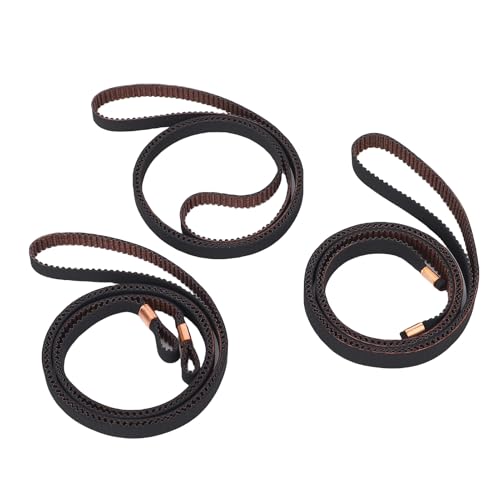
- Dilwe Timing Belt 3D Printer Open Synchronous Belt, Fiberglass Reinforced Rubber for X Y Z Axes Replacement with Pre Pressed Buckl...
- sourcing map 4pcs HTD-3M Rubber Timing Belt 59 Teeth, 177mm Pitch Length x 6mm Width x 2.4mm Height, Closed Loop Pulley Timing Bel...
- sourcing map S5M Open Ended Timing Belt, 10mm Width x 4 Meter Length, 5mm Pitch Length, Steel Wires Inside Synchronous Belt and Wr...
- DAOKAI GT2 Timing Belt Length 2M, Open 3D Printer Timing Belt 2mm Pitch 6mm Wide + 20 Teeth GT2 Timing Belt Pulley Wheel + Copper ...
- Heavy Duty Ratchet Strap, 2 Pack x 1500 kg 6M Tie Down Straps with Double Hooks Adjustable Cam Buckles Ratcheting Belts for Truck ...
Secondly, the design of the timing belt, including the tooth profile and width, influences its efficiency and compatibility with various engine types. A well-designed belt reduces slippage and provides a more precise fit, which is essential for high-revving engines commonly found in performance vehicles. Furthermore, the tensioning system plays a vital role in maintaining the correct tension, preventing premature wear and ensuring smooth operation.
Top Brands to Watch in 2026
As we assess the market for timing belts in 2026, several brands stand out due to their commitment to quality and innovation. Gates Corporation remains a leader, known for its robust timing belts that cater to both standard and high-performance applications. Their products often feature advanced materials that withstand extreme conditions, making them a popular choice among enthusiasts.
Another noteworthy contender is ContiTech, whose timing belts are engineered for precision and reliability. With a strong focus on research and development, ContiTech consistently delivers products that meet the demands of modern engines. Their belts are designed to provide optimal performance and durability, aligning with the needs of the automotive community.
Additionally, Dayco has made significant strides in the timing belt arena. Their offerings include products specifically designed for high-performance applications, ensuring that drivers can achieve the best possible results from their engines. Dayco's commitment to quality and performance makes it a brand to consider for those seeking to enhance their vehicle's capabilities.
Performance Testing and Reviews
Performance testing is an essential aspect of evaluating timing belts. In 2026, various independent testing facilities and automotive publications will conduct rigorous assessments to determine the effectiveness of different belts. These evaluations will consider factors such as longevity, heat resistance, and overall performance under load. Reviews from automotive experts and enthusiasts will also play a crucial role in guiding consumers towards the best options available.
In addition to traditional performance metrics, the integration of technology in the automotive industry has led to the development of smart timing belts. These innovative products can provide real-time data on belt performance, allowing for proactive maintenance and adjustments. As we move further into 2026, the adoption of such technology may become more prevalent, further enhancing the evaluation process.