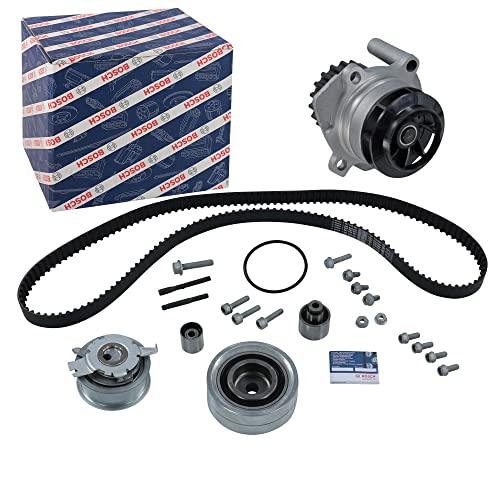
Finding the Best Timing Belts to Buy in 2026 for Durability
As we approach 2026, the automotive industry continues to evolve, bringing forth advancements in technology and materials. One crucial component that often goes unnoticed is the timing belt. This essential part plays a vital role in synchronising the engine's camshaft and crankshaft, ensuring optimal performance. Therefore, selecting a durable timing belt is paramount for maintaining the longevity and efficiency of your vehicle.
Understanding Timing Belts
A timing belt is typically made from high-quality rubber or a combination of rubber and other materials such as nylon or polyester. The purpose of the timing belt is to keep the engine's components in sync, which is critical for proper engine function. Over time, timing belts can wear, leading to potential engine failure if not replaced in a timely manner. This makes it essential to choose a timing belt that not only fits your engine specifications but also offers enhanced durability.
Key Factors in Selecting a Durable Timing Belt
When searching for the best timing belts in 2026, several factors should be considered to ensure you make an informed decision. First and foremost, the material of the timing belt is crucial. Look for belts made from high-grade rubber compounds that are resistant to wear and tear. Additionally, belts reinforced with materials such as Kevlar provide extra strength and durability, making them a preferable choice for high-performance vehicles.
People Also Look For:
- T5 24T/25T synchronizer pulley inner diameter 5-25mm, alloy wheel hub AF shape, 5mm pitch, matching width 10/15/20/25mm, T5 timing...
- Dadabig 26 PCS 3D Printer Timing Belt Kit, GT2 20 Teeth Timing Pulley Wheel 5mm + 5M GT2 Timing Belt 6mm Width with Allen Wrench f...
- Car timing belt Compatible With Jeep For Wrangler For JK 2007-2017 Accessories AP01 Timing Belt Kit Water Pump Replacement Parts E...
- 4 x Cam Belt Timing Belt Replacement Stickers (80mm x 40mm) - Self-Adhesive, Durable, Writable for Easy Maintenance Tracking.
- Timing belt locking tool Cars Timing Chain Replace Parts For Jeep For Wrangler 2012 2013 2014 2015 2016 2017 5184352AB 5184352
Another factor to consider is the manufacturer's reputation. Brands that have established themselves as leaders in the automotive parts industry often invest in research and development to produce high-quality products. Reading customer reviews and expert opinions can also provide insight into the performance and durability of specific timing belt models.
Compatibility with Vehicle Specifications
Before purchasing a timing belt, it is essential to ensure that it is compatible with your vehicle's make and model. Each engine has its specific requirements, and using an incompatible timing belt can lead to catastrophic failures. Always consult your vehicle's manual or a trusted mechanic to confirm the correct specifications needed for a replacement timing belt.
Installation Considerations
Even the most durable timing belt will not perform effectively if not installed correctly. Proper installation is critical to achieving the desired longevity and reliability of the belt. It is advisable to have the timing belt replaced by a qualified mechanic who has experience working with your particular engine type. This ensures that the belt is fitted correctly and that all necessary components are checked and replaced if needed.
Pricing and Value
While it may be tempting to opt for the cheapest timing belt available, it is important to remember that durability often comes at a higher price. Investing in a quality timing belt can save you money in the long run by reducing the risk of premature failure and the need for costly repairs. Compare prices among reputable brands while taking into account the warranty and expected lifespan of the product.
Future Trends in Timing Belt Technology
As we look ahead to 2026, innovations in timing belt technology are likely to emerge. Manufacturers are continuously researching new materials and designs that can enhance durability and performance. For instance, advancements in synthetic materials may lead to timing belts that offer improved resistance to heat and wear. Staying informed about these developments can help you make better choices when the time comes to replace your vehicle's timing belt.