From Timing Belt Tensioners to Water Pump Pulleys Understanding Your Engines Timing System
10. "From Timing Belt Tensioners to Water Pump Pulleys: Understanding Your Engine's Timing System"
When it comes to the intricate workings of your car's engine, the timing system plays a crucial role in ensuring everything runs smoothly. From timing belt tensioners to water pump pulleys, each component plays a vital part in keeping your engine in sync and running efficiently. In this article, we will break down the various elements of your engine's timing system to help you better understand how it all works together.
1. Timing Belt Tensioners
Timing belt tensioners are responsible for keeping the timing belt tight and properly aligned with the other components of the timing system. A loose or misaligned timing belt can cause serious damage to your engine, so it's essential to ensure that the tensioner is in good working condition. Over time, tensioners can wear out and may need to be replaced to prevent any potential issues.
2. Timing Belts
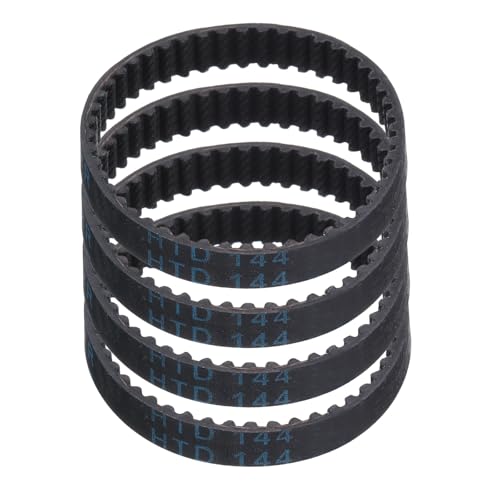
The timing belt is a crucial component of your engine's timing system, as it connects the crankshaft to the camshaft and ensures that they rotate in sync. It's important to replace your timing belt according to the manufacturer's recommended schedule, as a broken timing belt can cause catastrophic engine failure. Signs of a worn-out timing belt include squealing noises, rough idling, and difficulty starting your engine.
3. Camshaft and Crankshaft
The camshaft and crankshaft are two of the most vital components in your engine's timing system. The camshaft controls the opening and closing of the engine's valves, while the crankshaft converts the up-and-down motion of the pistons into rotational motion. Both must be precisely timed to ensure optimal engine performance.
People Also Look For:
- sourcing map 10pcs 2GT Timing Belt Closed Loop Rubber Belts 240-2GT-6, 6mm Width x 240mm Length
- Timing chain kit camshaft adjuster Car Timing Belt Kit For Jeep For Wrangler 2007 2008 2009 2010 2011 2012 2013-2018 2.8CRD 2.8TD ...
- RUIZHI Timing Tool Kit, 8 PCS Engine Timing Belt Tool for PSA 1.2 PureTech, for Citroen C1 C3 C4, for Peugeot 108 208 308 2008 300...
- Versatile Tool Belt Hook Organizer, Secure Holder for Cordless Drills & Impact Drivers, Universal Fit, Heavy-Duty Scaffolding Acce...
- 1 x Original Contitech Water Pump Timing Belt Kit Set with Tensioner Pulley and Guide Pulley CT1139WP6
4. Water Pump Pulleys
The water pump pulley is responsible for circulating coolant throughout your engine to prevent overheating. If the water pump pulley is damaged or malfunctioning, it can lead to engine overheating and potential damage. Regular maintenance and inspections can help prevent issues with the water pump pulley.
5. Tensioner Pulleys
Tensioner pulleys work in conjunction with the timing belt tensioner to keep the timing belt properly aligned and tensioned. Like tensioners, tensioner pulleys can wear out over time and may need to be replaced to prevent any issues with the timing system.
6. Idler Pulleys
Idler pulleys help guide the timing belt in the correct direction and ensure that it stays in place. If an idler pulley becomes worn or damaged, it can cause the timing belt to slip or come off entirely, leading to serious engine damage. Regular inspections can help identify any issues with idler pulleys before they cause problems.
7. Timing Chain vs. Timing Belt
Some engines use timing chains instead of timing belts to control the timing of the engine. Timing chains are typically more durable and longer-lasting than timing belts but can still wear out over time. It's essential to follow the manufacturer's recommended maintenance schedule for timing chains to prevent any potential issues.
8. The Importance of Regular Maintenance
Proper maintenance of your engine's timing system is crucial to prevent costly repairs and potential engine damage. Regular inspections, timely replacements of timing belts and other components, and following the manufacturer's recommended maintenance schedule can help ensure that your engine runs smoothly and efficiently.
9. Signs of Timing System Issues
It's essential to be aware of the signs that indicate potential issues with your engine's timing system. Squealing noises, rough idling, difficulty starting your engine, and engine misfires can all be signs of timing system problems that need to be addressed promptly.
10. Trust the Experts
If you suspect any issues with your engine's timing system or if it's time for routine maintenance, it's best to trust the experts. A qualified mechanic can inspect your timing system, identify any potential issues, and perform any necessary repairs or replacements to keep your engine running smoothly.