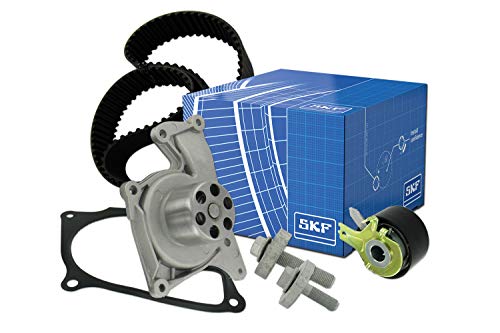
Timing Belt 101 Everything You Need to Know About This Crucial Car Component
Timing Belt 101: Everything You Need to Know About This Crucial Car Component
When it comes to maintaining your car, there are certain components that are crucial to its overall performance and longevity. One such component is the timing belt. Despite its small size, the timing belt plays a vital role in ensuring that your engine runs smoothly. In this guide, we will cover everything you need to know about timing belts, including what they are, how they work, and why they are so important.
What is a Timing Belt?
A timing belt is a rubber belt that synchronizes the rotation of the crankshaft and the camshaft in an engine. This synchronization is crucial for the engine to run smoothly and efficiently. The timing belt is responsible for ensuring that the valves open and close at the right time in relation to the pistons. If the timing belt fails, it can cause serious damage to the engine and result in costly repairs.
How Does a Timing Belt Work?
The timing belt is looped around the crankshaft and the camshaft, connecting them so that they turn together. As the crankshaft rotates, it spins the camshaft, which in turn opens and closes the valves. This precise timing is essential for the engine to function properly. If the timing belt is worn or stretched, it can slip or break, causing the valves to open at the wrong time and potentially collide with the pistons.
People Also Look For:
- DollaTek Timing Belt Tensioner Torsion Spring For 3D Printer RepRa 6mm Width Belt Pack of 20
- 3D Printer Timing Belt 10Meters GT2 Timing Belt 2mm Pitch 6mm Width Rubber Fiberglass GT2 Open Timing Belt for 3D Printer CNC Repr...
- JOROTO X2/X2PRO Exercise Bike, Quiet Magnetic Resistance Stationary Bike with LCD Display, 16KG Flywheel, Smooth Belt Drive, Indoo...
- HONZIN Multitool Axe Hammer 3 in 1 Stainless Steel Multi Tool with Hexagonal Spanner, Household/Emergency/Outdoor Camping Tools, A...
- ADO AirCarbon Electric Bike Folding, 20" EBike for Adults, Ultra Light Weight 14.5 KG Electric Bicycle, Belt Drive/Bafang Motor/EC...
Why is a Timing Belt Important?
As mentioned earlier, the timing belt is crucial for the proper functioning of the engine. If the timing belt fails, it can lead to serious engine damage, including bent valves, damaged pistons, and even a complete engine failure. Regularly inspecting and replacing the timing belt as needed is essential to prevent these costly repairs. Most manufacturers recommend replacing the timing belt every 60,000 to 100,000 miles, but it's best to consult your car's manual for specific recommendations.
Signs of a Failing Timing Belt
There are several signs that indicate a timing belt may be failing. If you notice any of the following symptoms, it's important to have your timing belt inspected and replaced if necessary:
- Engine misfires
- Ticking noise coming from the engine
- Engine won't start
- Visible damage to the timing belt
Replacing a Timing Belt
Replacing a timing belt is not a simple task and is best left to a professional mechanic. The process involves removing the engine's front cover to access the timing belt, which can be time-consuming and complex. Additionally, replacing the timing belt requires precise timing to ensure that the engine runs smoothly. It's important to follow the manufacturer's guidelines when replacing a timing belt to prevent any issues down the road.
Conclusion
In conclusion, the timing belt is a crucial component of your car's engine that should not be overlooked. Regularly inspecting and replacing the timing belt as needed can prevent serious engine damage and costly repairs. If you suspect that your timing belt may be failing, it's important to have it inspected by a professional mechanic. By taking care of your timing belt, you can ensure that your car runs smoothly and efficiently for years to come.