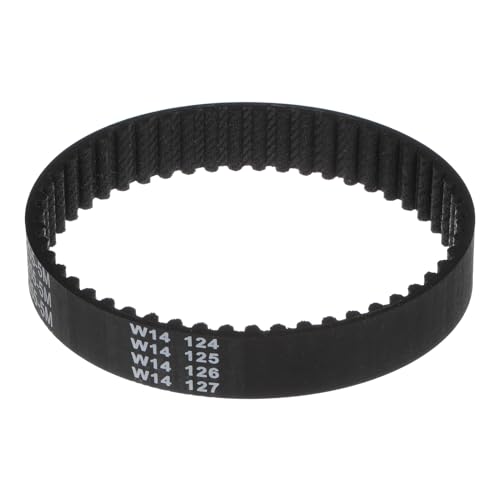
Timing Belt Failure Causes Effects and Prevention
Timing Belt Failure: Causes, Effects, and Prevention
Introduction
When it comes to the maintenance of your vehicle, one of the most critical components to keep an eye on is the timing belt. A timing belt plays a crucial role in the internal combustion engine of your car, ensuring that the engine's valves open and close at the right times. However, timing belt failure can lead to severe consequences, including engine damage and costly repairs. In this article, we will explore the causes of timing belt failure, its effects, and how you can prevent it from happening.
Causes of Timing Belt Failure
There are several factors that can contribute to timing belt failure. One of the most common causes is simply wear and tear. Over time, the rubber in the timing belt can deteriorate and become brittle, making it more prone to snapping. Additionally, exposure to extreme temperatures can also weaken the timing belt, reducing its lifespan significantly. Another common cause of timing belt failure is improper installation. If the timing belt is not tensioned correctly or if the pulleys are misaligned, it can cause excessive strain on the belt, leading to failure.
People Also Look For:
- Car Timing Belt Kit For Jeep For Wrangler 2007 2008 2009 2010 2011 2012 2013-2018 2.8CRD 2.8TD 68031478AB 68029524AA Timing belt t...
- SENENQU 2 Sets Heavy Duty Ratchet Tie Down Strap, 5cm x 6m Cam Buckle Ratchet Strap, Adjustable Lashing Strap, Car Tensioning Belt...
- Car Timing Belt Kit For Jeep For Wrangler 2007 2008 2009 2010 2011 2012 2013-2018 2.8CRD 2.8TD 68031478AB 68029524AA Automobile en...
- SHUIYUE 2 Pcs Timing Belt Test Tool for PureTech 1.0 and 1.2 PSA Belt Wear Indicator Timing Belt Tools for Citroen, Peugeot, Toyot...
- febi bilstein 104829 Oil Pump Timing Belt Black
Effects of Timing Belt Failure
When a timing belt fails, the consequences can be severe. Since the timing belt is responsible for synchronizing the rotation of the crankshaft and camshaft, a failure can cause the valves to open and close at the wrong times. This can result in the valves colliding with the pistons, causing significant damage to the engine. In some cases, the engine may even seize completely, requiring a full replacement. Additionally, if the timing belt fails while the engine is running, it can cause the engine to stall suddenly, leaving you stranded on the side of the road.
Prevention of Timing Belt Failure
Preventing timing belt failure is much easier and more cost-effective than dealing with the aftermath. Here are some tips to help you prevent timing belt failure:
- Follow the manufacturer's recommended maintenance schedule for replacing the timing belt
- Inspect the timing belt regularly for signs of wear and tear, such as cracks or fraying
- Ensure that the timing belt is installed correctly and tensioned properly
- Avoid exposure to extreme temperatures by parking your car in a garage or shaded area
Conclusion
By understanding the causes of timing belt failure, its effects, and how to prevent it, you can ensure that your vehicle stays in top condition and avoid costly repairs. Remember to follow the manufacturer's recommended maintenance schedule and have your timing belt inspected regularly by a qualified mechanic. Taking these simple steps can help you avoid the headache and expense of timing belt failure.