Essential Guide to Selecting Quality Timing Belts in 2026
As we move into 2026, the relevance of selecting high-quality timing belts cannot be overstated. Timing belts play a crucial role in the operation of numerous machinery and vehicles, ensuring that various components function in synchrony. This guide aims to provide an authoritative perspective on the key factors to consider when selecting timing belts to ensure efficiency and longevity.
Understanding Timing Belts
Timing belts are essential components in engines and machinery, serving to connect the crankshaft to the camshaft. This connection ensures that the engine's valves open and close at the correct times during each cylinder's intake and exhaust strokes. The precise timing of these actions is critical for optimal performance, fuel efficiency and reducing emissions. A quality timing belt is therefore indispensable for the smooth operation of any engine.
Material Considerations
When selecting a timing belt, the material from which it is made plays a significant role in its performance and durability. Most timing belts are constructed from rubber composites reinforced with fibreglass or steel. In 2026, it is essential to look for belts made from high-quality materials that offer resistance to wear, temperature fluctuations and oil degradation. Advancements in material science have led to the development of synthetic rubber compounds that enhance the lifespan of timing belts, making them more reliable than ever.
People Also Look For:
- HANGLIFE GT2 Timing Belt with Copper Buckle - 3D Printer Open Synchronous Belt (2mm Pitch) 3D Printer Accessories - 6mm x 10M (32....
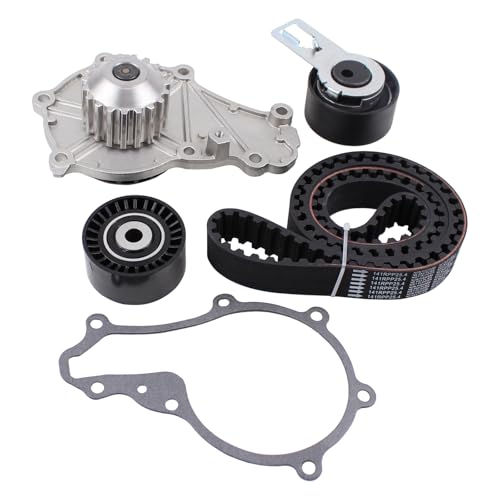
- Gates KP15627XS Water Pump & Timing Belt Kit
- Cars Timing Belt For Jeep For Wrangler 2007 2008 2009 2010 2011 2012-2019 2.8CRD 46510651F 68029524AA 68031478AA Timing belt parts
- SKF Water Pump And Timing Belt Kit VKMC 06134-3 Height 171 mm Length 271 mm Width 142 mm - OE Quality
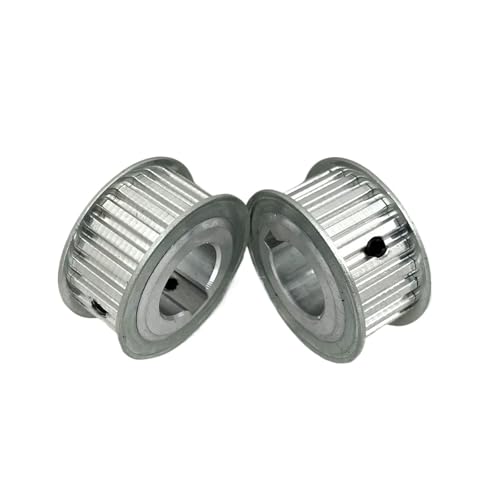
- T5 24T/25T synchronizer pulley inner diameter 5-25mm, alloy wheel hub AF shape, 5mm pitch, matching width 10/15/20/25mm, T5 timing...
Width and Length Specifications
The dimensions of a timing belt, specifically its width and length, are critical for ensuring a proper fit within the engine or machinery. It is necessary to consult the manufacturer’s specifications to ascertain the exact measurements required for your application. In most cases, timing belts are available in a range of sizes to accommodate various engines. Selecting a belt that is too short or too long can result in improper tensioning, leading to premature failure and costly repairs.
Tensile Strength and Load Capacity
The tensile strength of a timing belt refers to its ability to withstand pulling forces without breaking. It is vital to choose a belt that can handle the specific load conditions of your engine or machinery. The load capacity is determined by the materials used and the design of the belt. In 2026, manufacturers have made significant strides in enhancing the tensile strength of timing belts, allowing them to perform efficiently under higher loads. This is particularly important for high-performance engines that require precise timing under demanding conditions.
Brand Reputation and Certifications
Selecting a timing belt from a reputable manufacturer can greatly influence the quality and reliability of the product. Established brands often adhere to stringent quality control measures and industry standards. It is advisable to look for timing belts that come with certifications, which indicate that they have been tested and meet specific performance criteria. In 2026, many manufacturers provide detailed information about their products' testing and certification processes, allowing consumers to make informed decisions.
Installation and Maintenance
Proper installation of a timing belt is crucial for its performance and longevity. It is recommended to have the belt installed by a qualified professional who understands the intricacies involved. Additionally, regular maintenance checks should be conducted to assess the condition of the belt. In 2026, advancements in diagnostic tools allow for easier inspections, enabling mechanics to identify potential issues before they lead to failure. This proactive approach can save both time and money in the long run.
Cost vs Quality
While it may be tempting to opt for cheaper timing belts, it is essential to weigh the cost against the potential risks of failure. A lower-priced belt may not provide the same level of performance or durability as a premium option. Investing in a quality timing belt is often a cost-effective decision, as it can prevent the need for frequent replacements and reduce the risk of engine damage. As we navigate through 2026, understanding the balance between cost and quality remains a critical aspect of selecting the right timing belt.